A parallax essay

Two Bad Girls

By M.C Leung

Act I

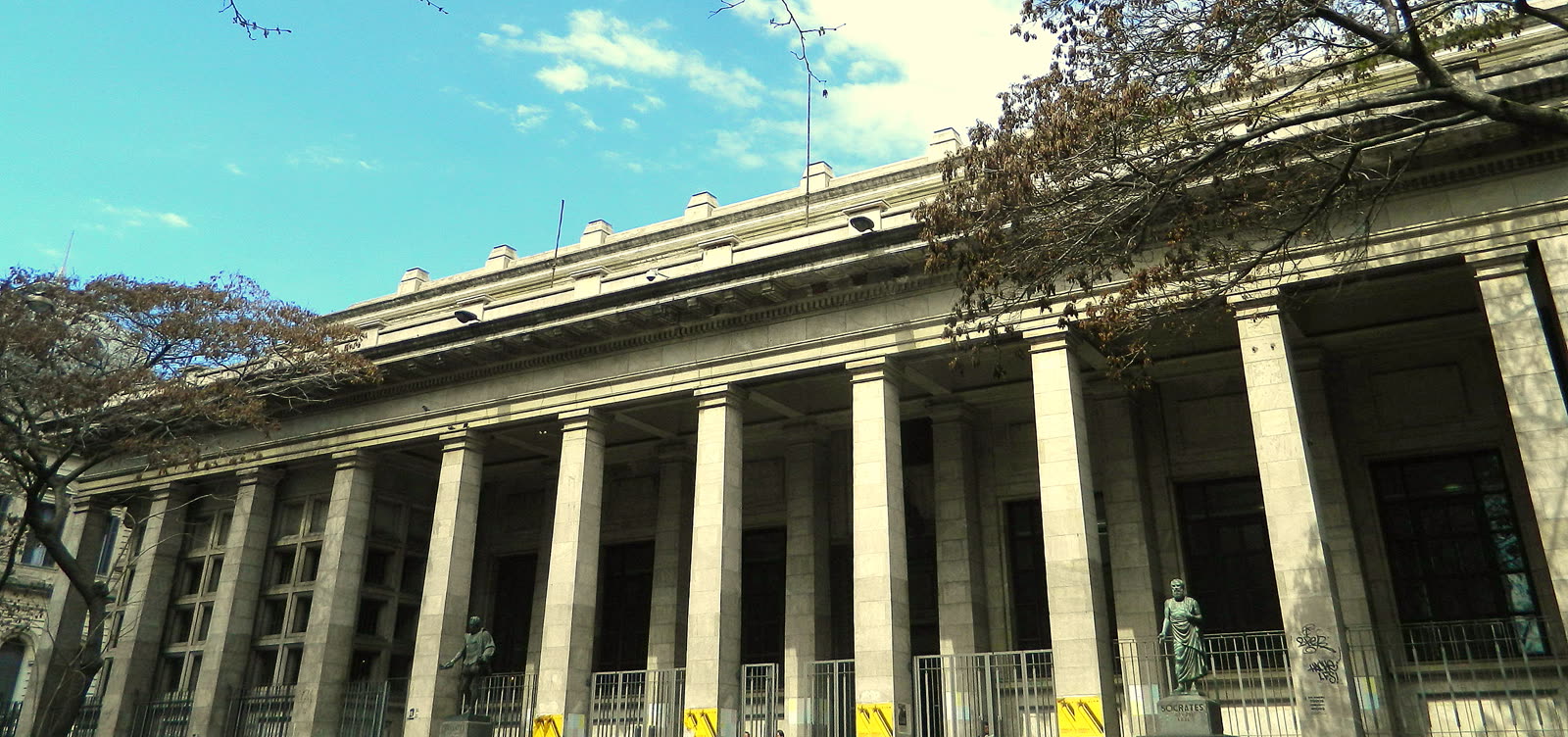
Avenida 18 de Julio 1790

Uruguay’s National Library on Avenida 18 de Julio, Montevideo
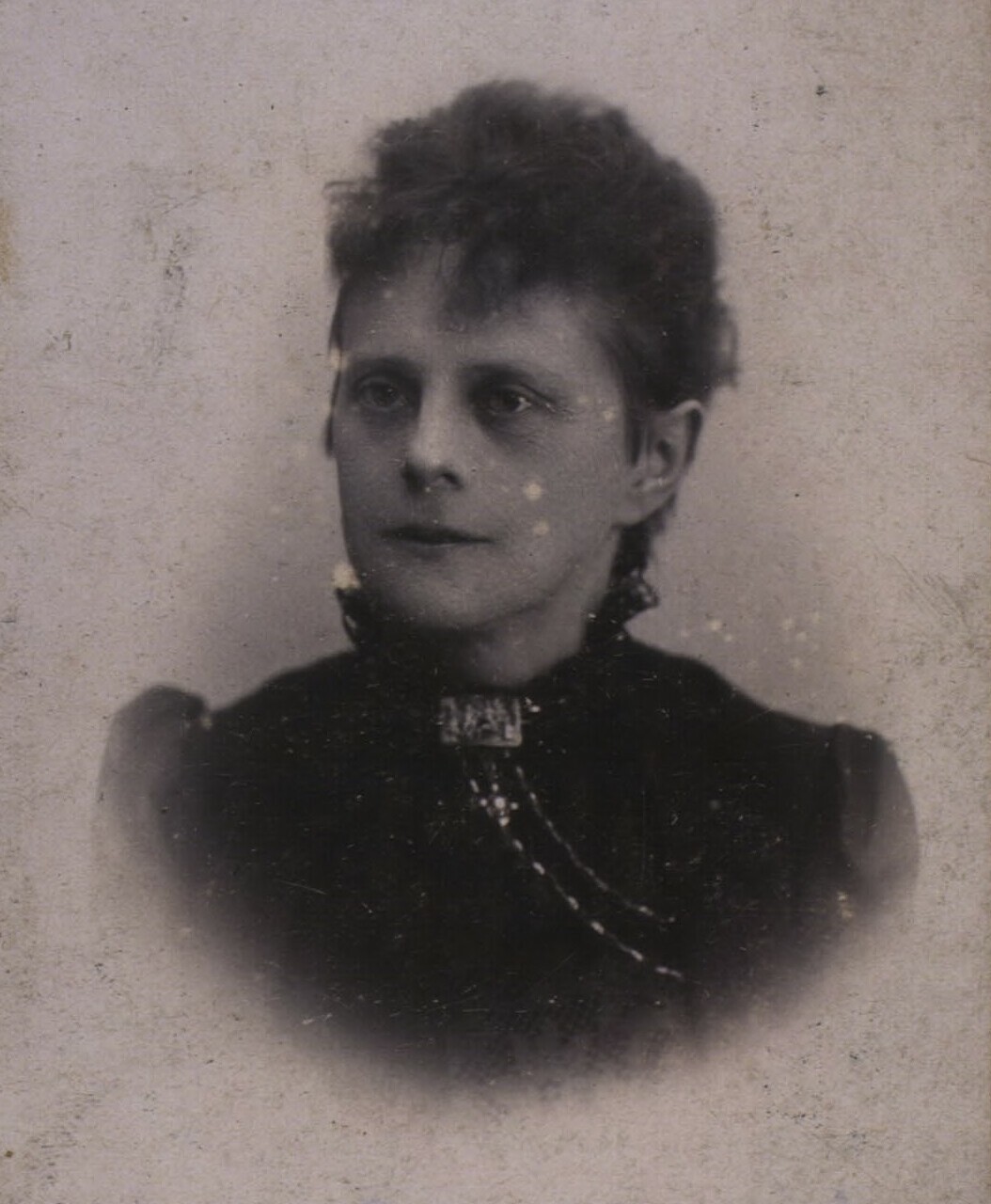
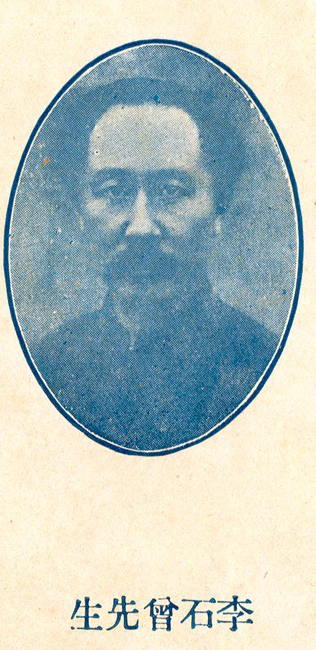
Portrait of Li Shizeng, 1928
Li Shizeng, 1928

There’s a very good reason I don’t read the culture columns and the best way to explain why is to talk about two ‘bad girls’ from 1930s Shanghai. This means, obviously, that this story starts in Uruguay in 1993. And the reason it starts in Uruguay is because in 1950 Switzerland recognized the People’s Republic of China. The issue was, a certain Mr Li Shizeng (a high-ranking member of the Guomindang and soy-milk entrepreneur) had originally set up his Sino-International Library in Geneva, so he was a bit annoyed when the Swiss sided with the Communists – so annoyed he moved his library as far away from Switzerland and the Communists as possible. To Montevideo.
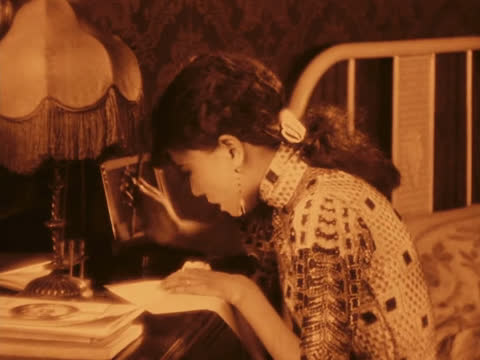
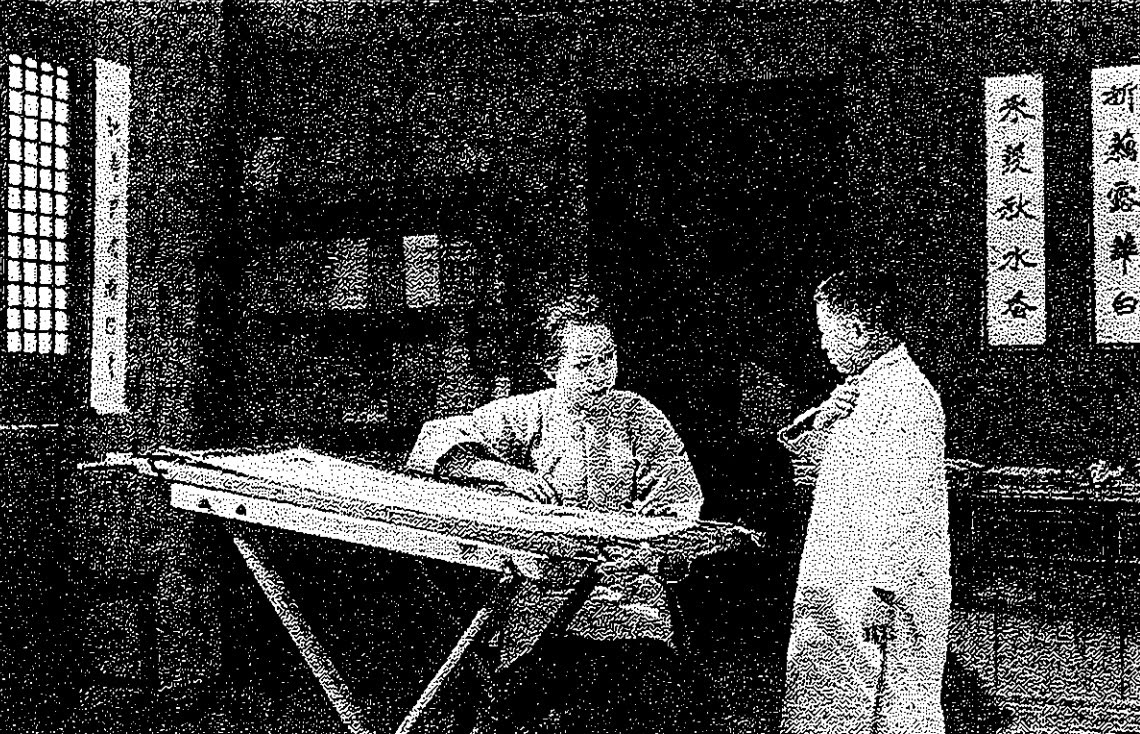
Ruan Lingyu at a writing desk in Love and Duty (1931)

It’s likely that Mr Li had forgotten, but buried amongst all those crates was the only surviving, and now very fragile, nitrate film print. On those reels was a movie that no one had seen since the 1930s: Love and Duty.

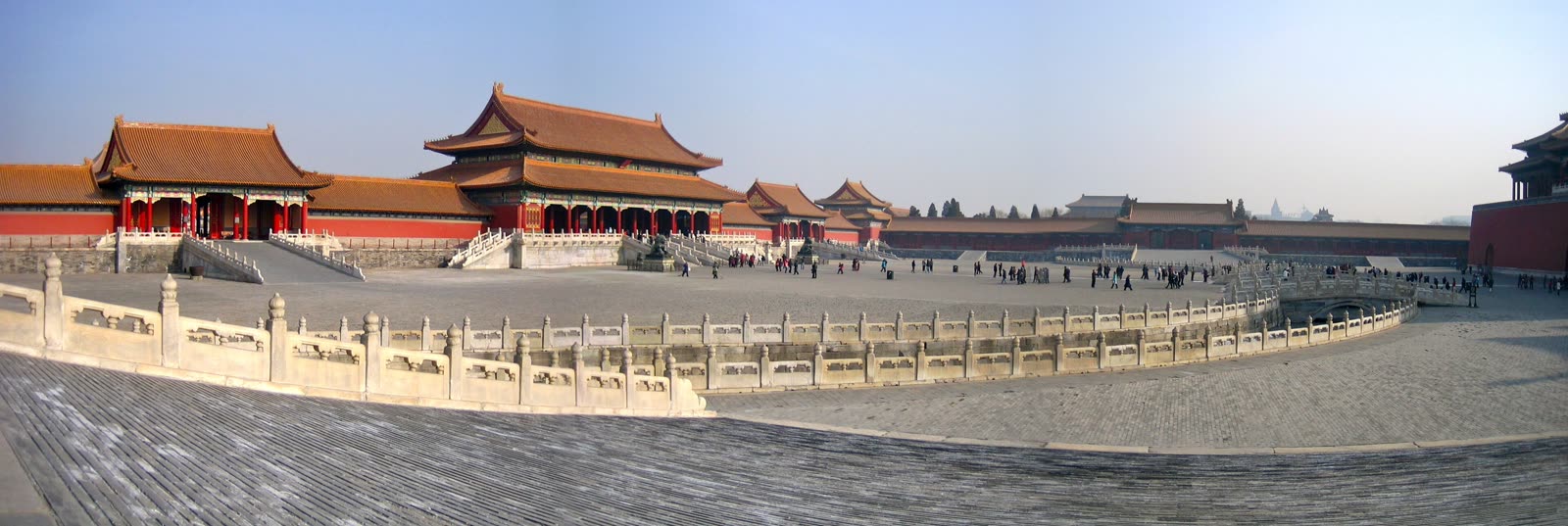
Wide panoramic view of the Forbidden City, Beijing

If you go to Montevideo today you won’t find the Sino-International Library. The collection used to be held at Uruguay’s National Library on Avenida 18 de Julio 1790. It finally moved to Taiwan in 1993. Mr Li was long dead by this point – he died in 1973. He died in Taipei, a long way from home. He’d been born when China still had an emperor and had grown up in and around the Forbidden City because his father had been a high-ranking official and tutor to the Tongzhi Emperor. One of our Bad Girls got to know the Forbidden City pretty well too. She hanged herself a fifteen-minute walk from its east gate in 1991.

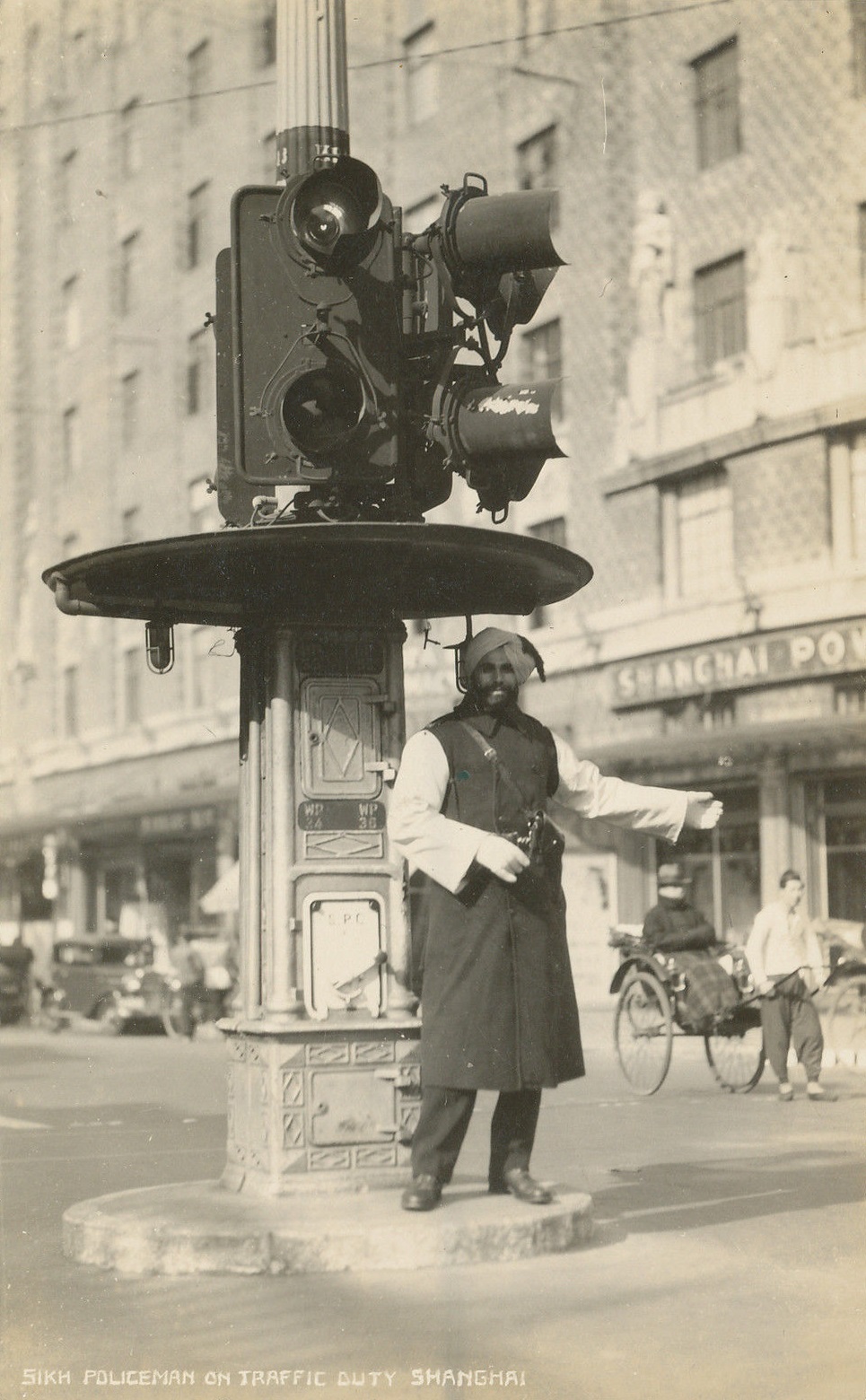
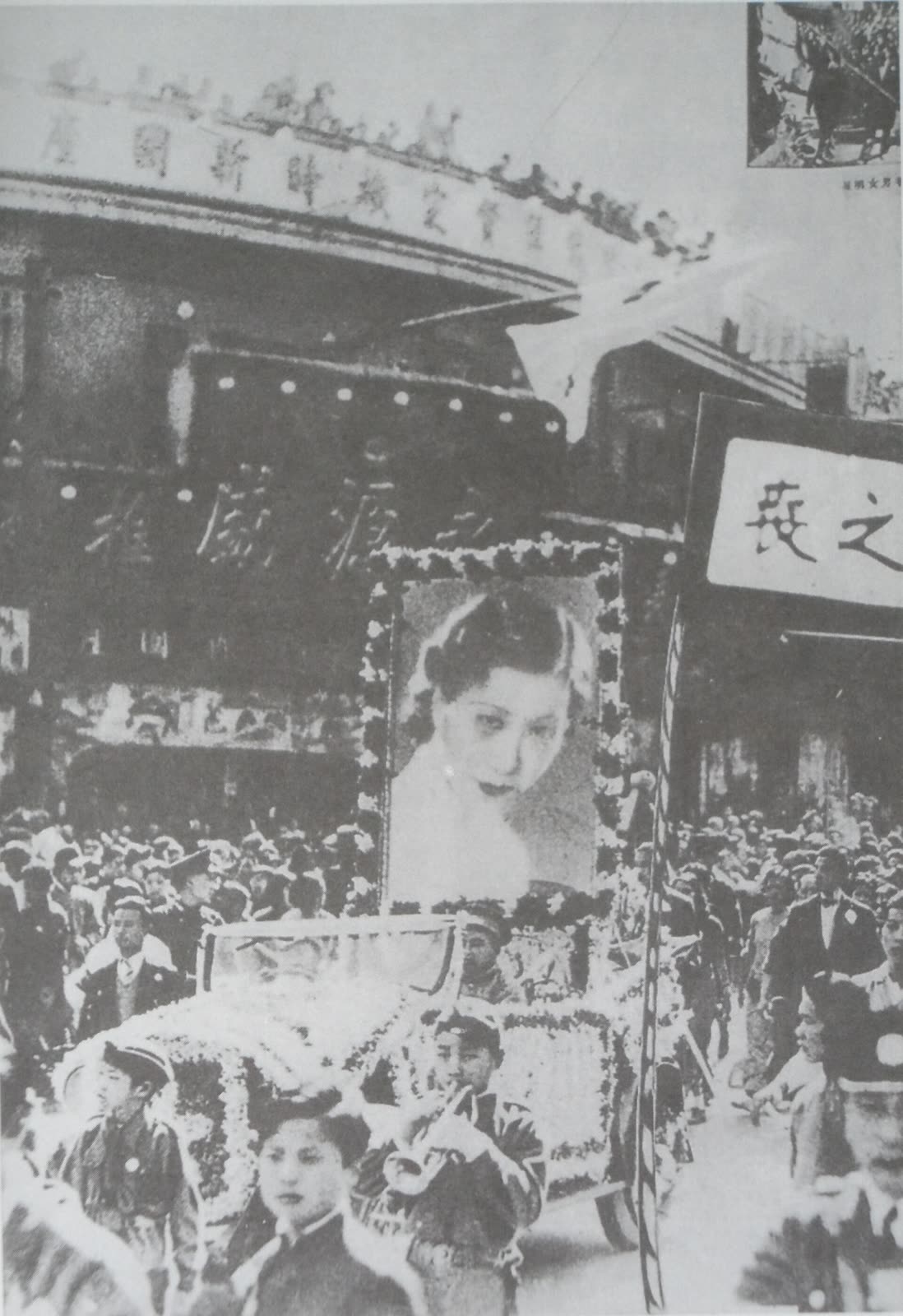
Sikh policeman on traffic duty in Shanghai, about 1935 Crowd at Ruan Lingyu’s funeral procession, March 1935
Sikh policeman on traffic duty, Shanghai, about 1935
Ruan Lingyu’s funeral, March 1935

One thing that Uruguay – or Beijing, Taipei or Switzerland, for that matter – has never had is mounted Sikh police. For that, we need to go to Shanghai, specifically 14 March 1935. We’re standing at an office window overlooking Hengfeng Road Bridge. It’s rammed. Over the other side of Suzhou Creek you can make out Sikh police on horseback and the detectives slowly moving along with the procession. It’s eerily quiet, considering how many people there are lining the streets, but that’s because it’s a funeral. A film star has died, and her name was Ruan Lingyu.

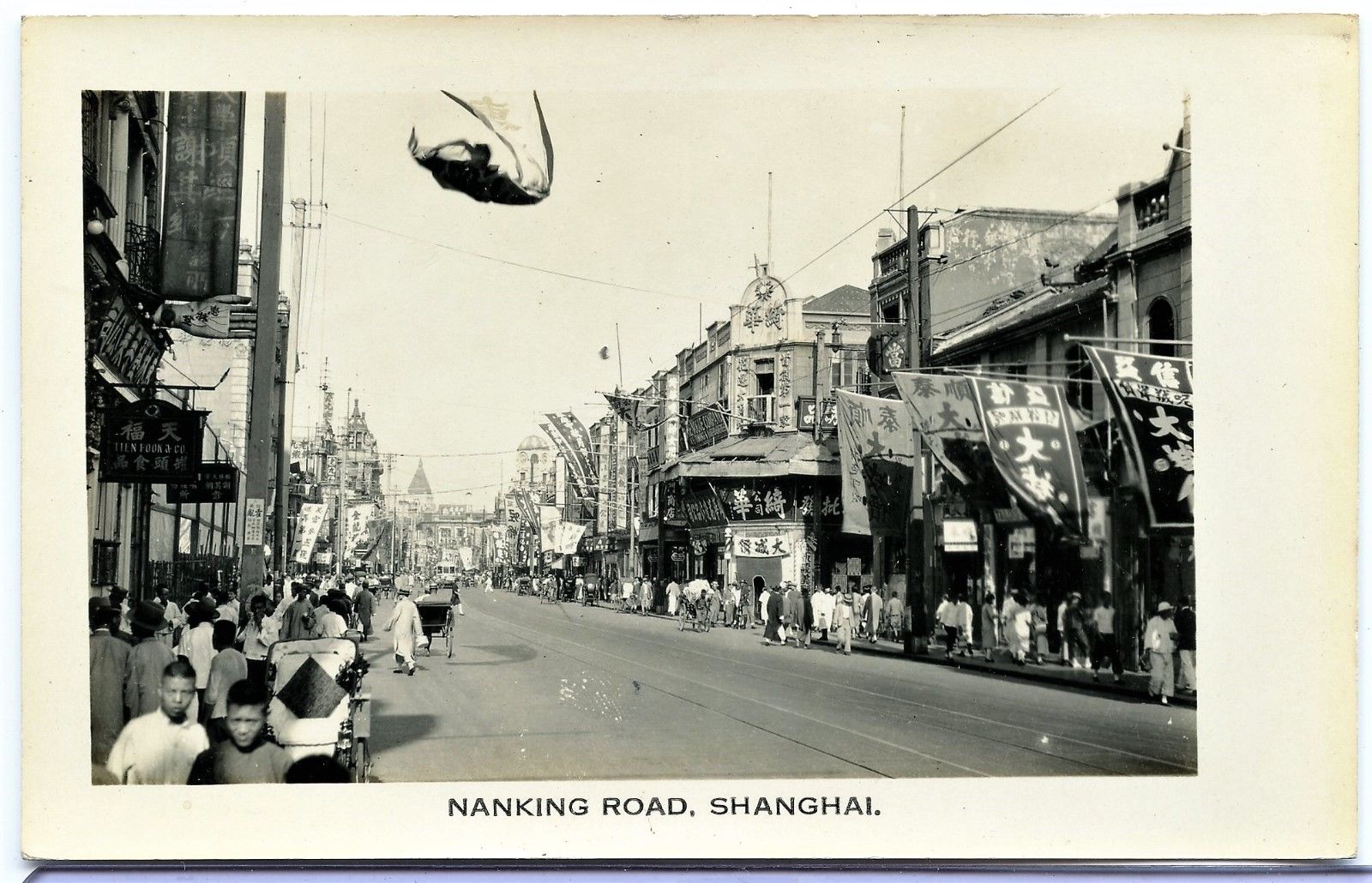
Nanjing Road, Shanghai, about the 1930s, with department stores and street traffic

We will be talking a lot about Lingyu, but before we go any further, let’s take a moment to look at what Shanghai was in 1935. Firstly, it was international. The French had their concession and the British and Americans had their ‘International Settlement’, essentially miniature city-states run by and predominantly for Westerners. The other districts, they were part of the Republic. One of the things the Westerners were very good at is not understanding what the Chinese were really up to. It wasn’t to say it was lawless, but if you wanted to do a dodgy deal, it was better to do it in front of a Sikh policeman than a Nationalist one in your own neighbourhood. The problem with the officials in the Republic of China is they could perfectly well understand Chinese.

But not everyone was up to no good. The vast majority of Shanghai’s residents were honest people who’d come to the city in search of work. Shanghai’s population had exploded in the preceding decades thanks to a booming industrial economy. The port, construction and factories provided new opportunities for people who years, months or even just weeks before were tending to farmland. Obviously the hubbub meant people needed a way to unwind and escape the reality of slave-wage labour. Food is the traditional Chinese cultural escape from reality, but food is well expensive. Many people went to the cinema instead. That’s why so many people were lining the streets to get one last glimpse of Lingyu. For those at work, they’d catch up on the day’s gossip in the evening tabloids. Film, magazines, music and tabloids: together they formed a well-oiled mincing machine. Women actors went in and money came out, and the juicier the gossip and the more risqué the film, the better.

Act II.

Gossip is a fearful thing

Wang Hanlun and Zheng Xiaoqiu in Orphan Rescues Grandfather, 1923
Wang Hanlun, 1923
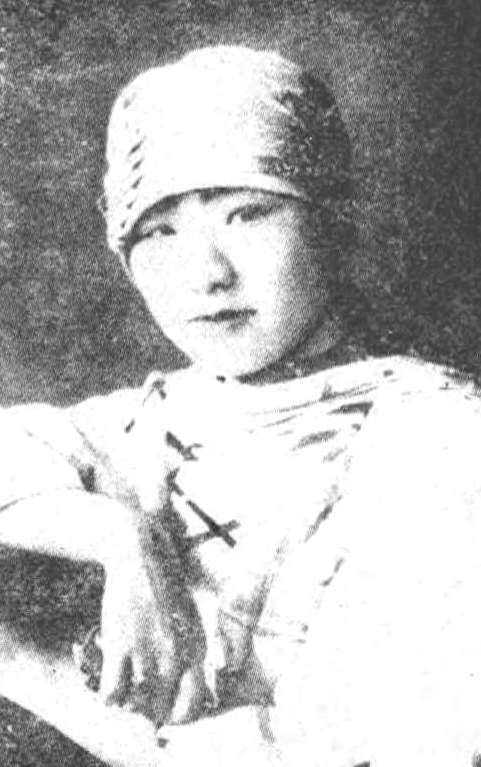
Xuan Jinglin, photographed for Liangyou, 30 December 1927
Xuan Jinglin, 1927

By the time of Lingyu’s death in 1935, Shanghai was the undisputed centre of Chinese film-making, with studios, cinemas, fan magazines and record labels pumping out product to get punters through the doors. Business owners soon learnt that the best way to sell their gear was to put women on the front. Looking at the crowds at Lingyu’s funeral, you’d be forgiven for thinking a lot had changed in the twelve years since the first female film star (Wang Hanlun 王汉伦) starred in 《孤儿救祖记》 Orphan Rescues Grandfather. Hanlun was disowned by her family for becoming an actress because being an actress meant you were a whore. Wang wasn’t even her real surname. She had to change it so that her family weren’t embarrassed by her. And if you think Hanlun was overreacting, the link between turning tricks and standing in front of the camera was very real. Xuan Jinglin 宣景琳, one of Mingxing’s biggest early stars, was quite literally bought out of a brothel.

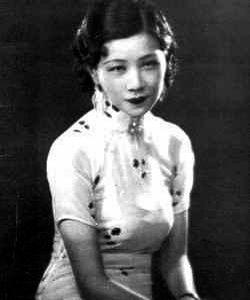
Memorial portrait of Ruan Lingyu published by Lianhua Film Company, April 1935

So when the crowds stood on Hengfeng Road to catch a glimpse of Lingyu’s coffin, it wasn’t just grief. They stood with a voyeuristically morbid curiosity. Lingyu’s body was a public spectacle in dark cinemas, billboards and double-page spreads. There was something electric about being able to see her coffin and then read her (probably fake) suicide notes in all the top tabloids. In reality, Lingyu’s fatal overdose happened in the privacy of her own home, but it was as if the entire population of Shanghai’s reading public had been in her bedroom with her.

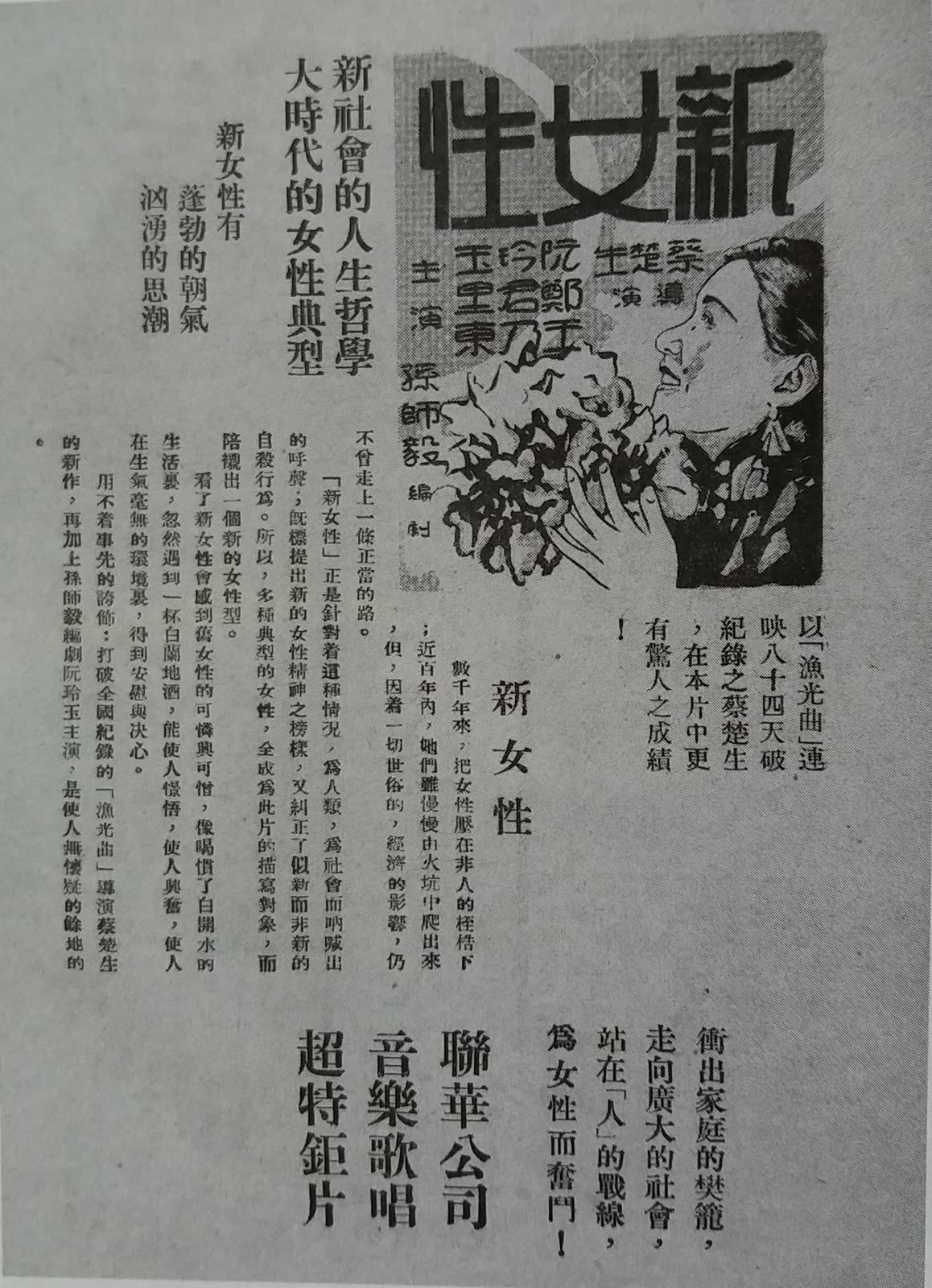
Original 1935 poster for New Women
New Women, 1935

Because, the thing is, the tabloids loved Lingyu. Obviously when I say loved, what I mean is they loved to print gossip and dirt on her. It’s likely their main gripe with her is she starred in New Women, a film about a struggling writer (based on a real actress who’d just killed herself) who’s hounded to suicide by a very hostile press. Journalists tend not to like films that put them in a bad light, and obviously because women sell and men don’t, Lingyu became their target. The men who wrote the script and fronted the cash – nobody was dragging their private lives across the front pages.

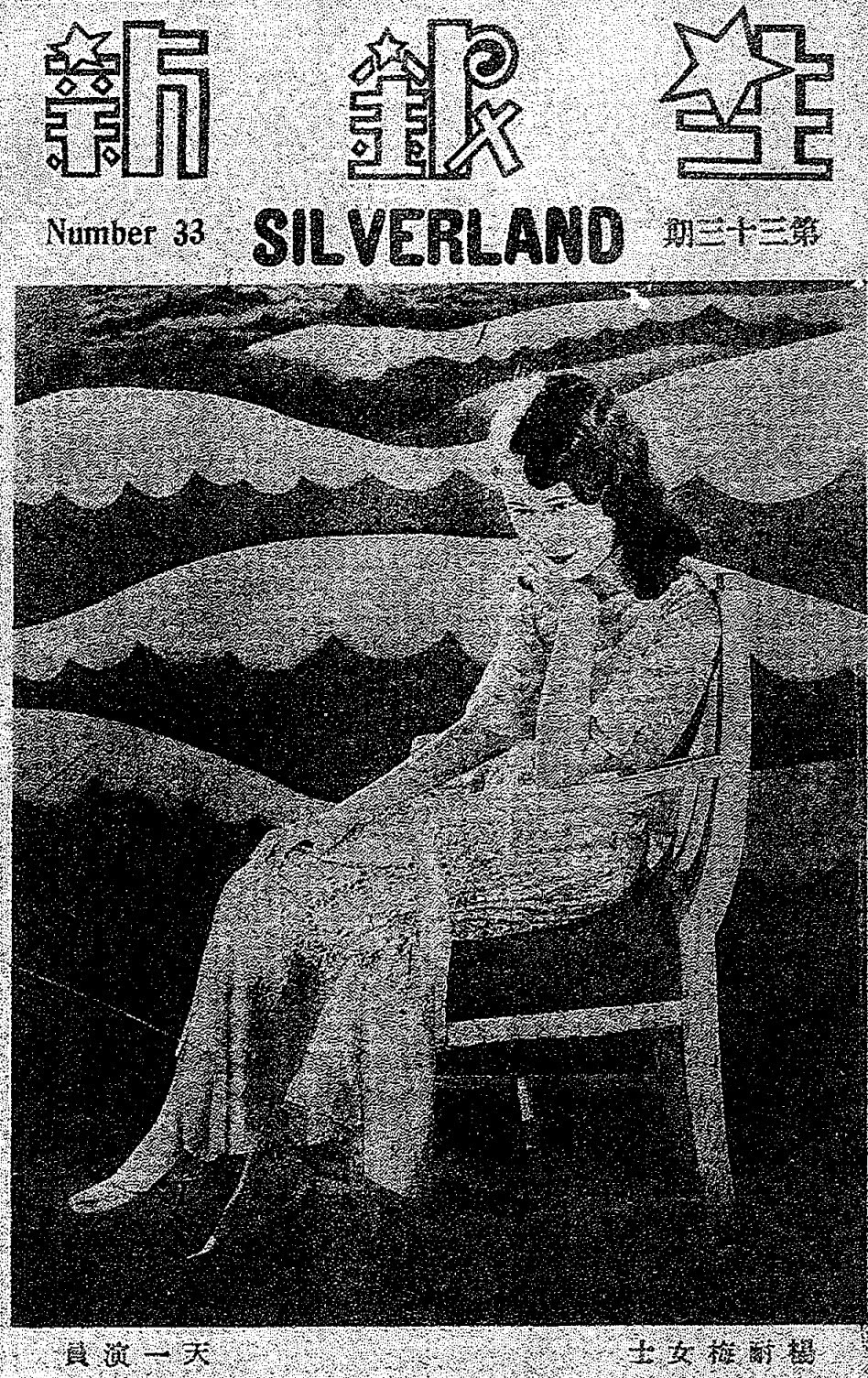
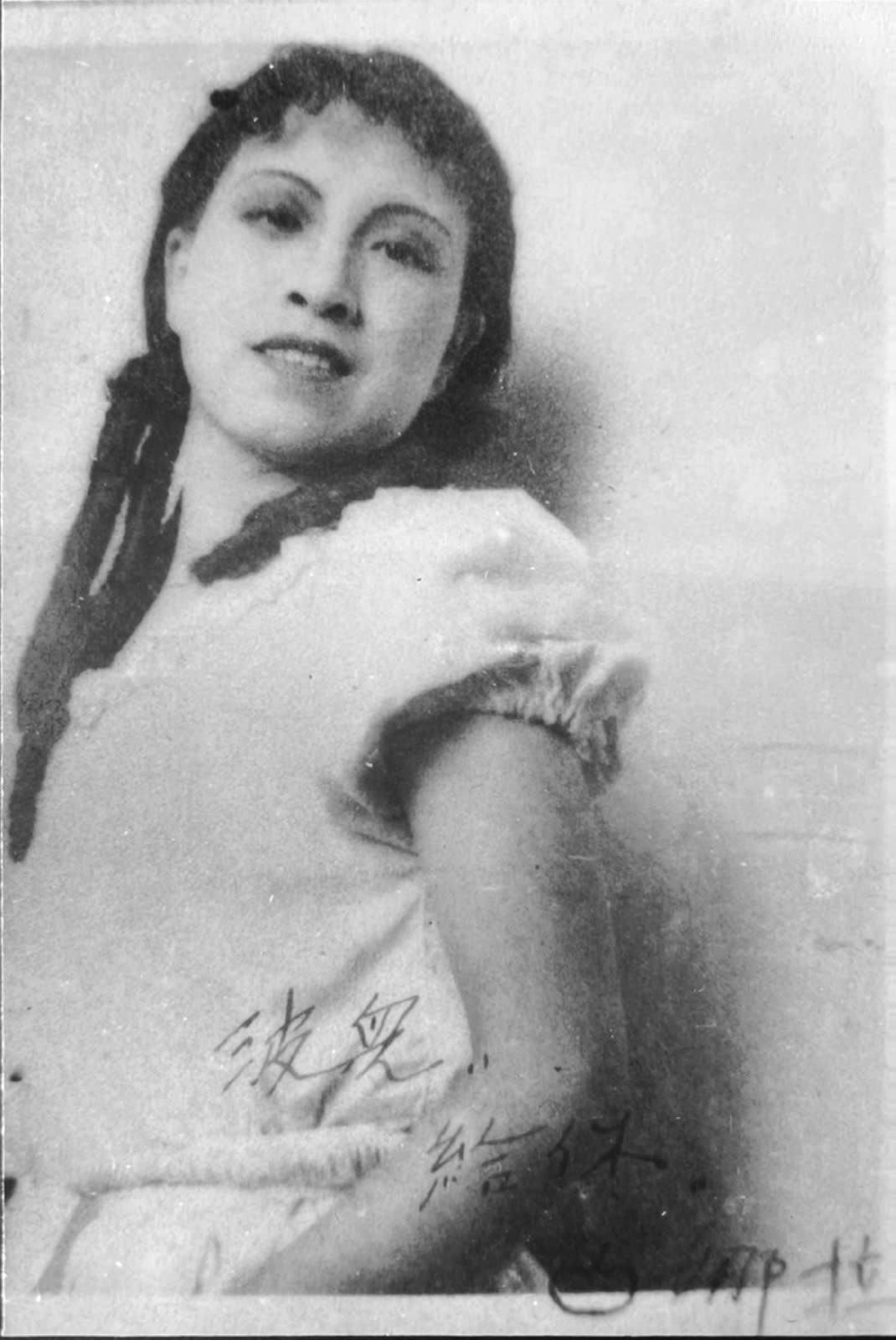
Yang Naimei on the cover of Silverland magazine, 1931

Tragically, like with all suicides, we will never know what was going through Lingyu’s mind in her final moments. Therefore, although it’s easy to see the dark irony and cliché of ‘life imitates art’ in her death, it’s a bit more complicated than that. Lingyu was a glamorous figure, overtly modern, which, for 1930s cinema-goers, meant overtly sexual. Ten years previously, the press might’ve been kinder. The actor Yang Naimei 杨耐梅 built her entire public persona around the vampish modern girl vibe. She made enough money out of this that she had the capital to found a production company.

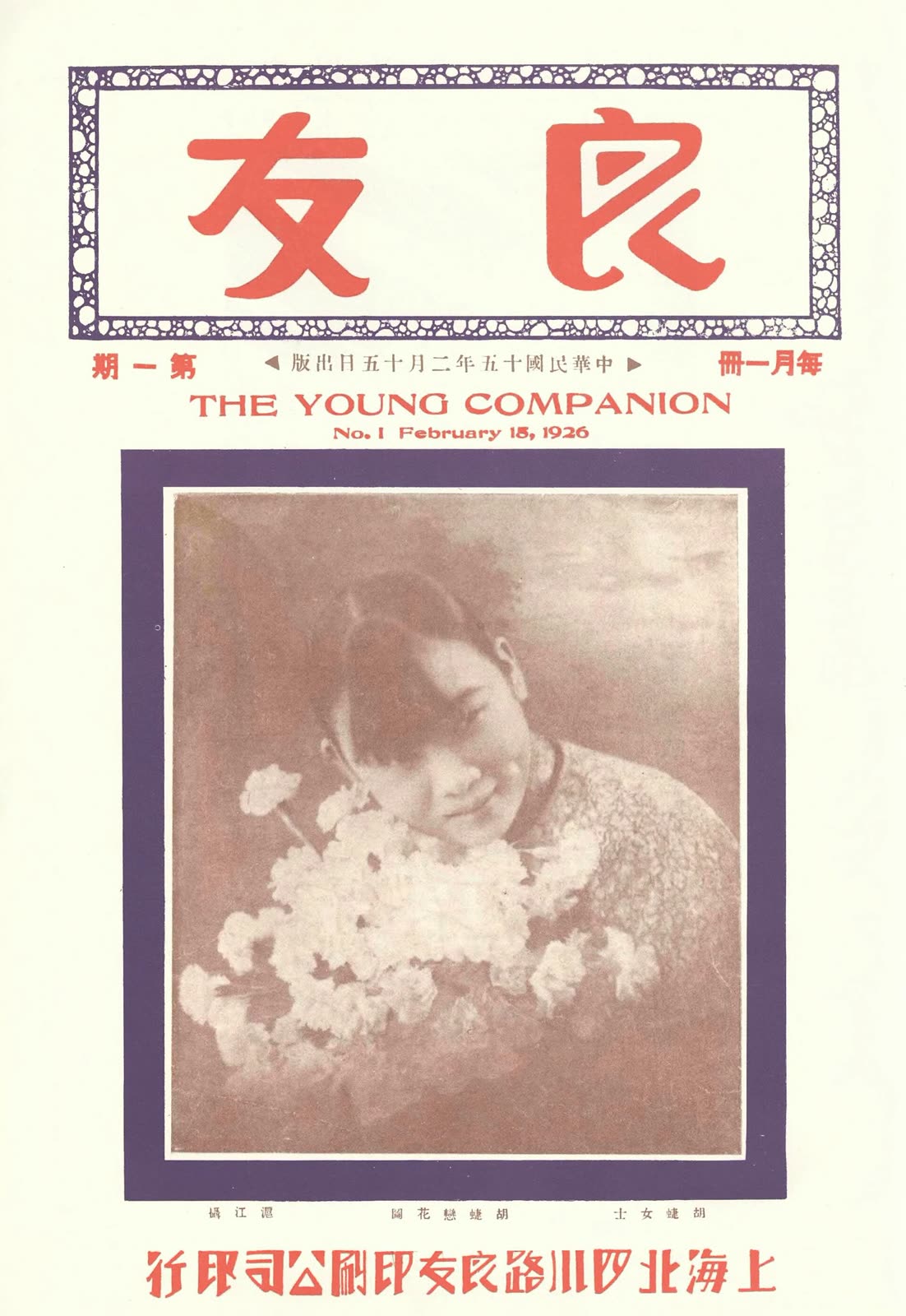
Hu Die on the cover of Liangyou number 1, 15 February 1926

The sassy Hu Die 胡蝶 was on the front cover of the very first edition of the glossy pictorial 《良友》 Liangyou (The Young Companion) in 1926. This became the magazine of choice if you were young, hip and liked to look at glamorous ladies. Hu Die was also one of the big winners when Shanghai’s papers started to give democracy a try. They were continuously running ‘Film Queen’ competitions to find out which woman ranked top. They did occasionally crown a ‘Film Emperor’, though nobody really cared. This experiment in vox pop journalism also allowed newspaper barons to experiment with other toys in the democracy box, such as ballot-box stuffing and vote buying. Still very much an ongoing pastime in Taiwan.

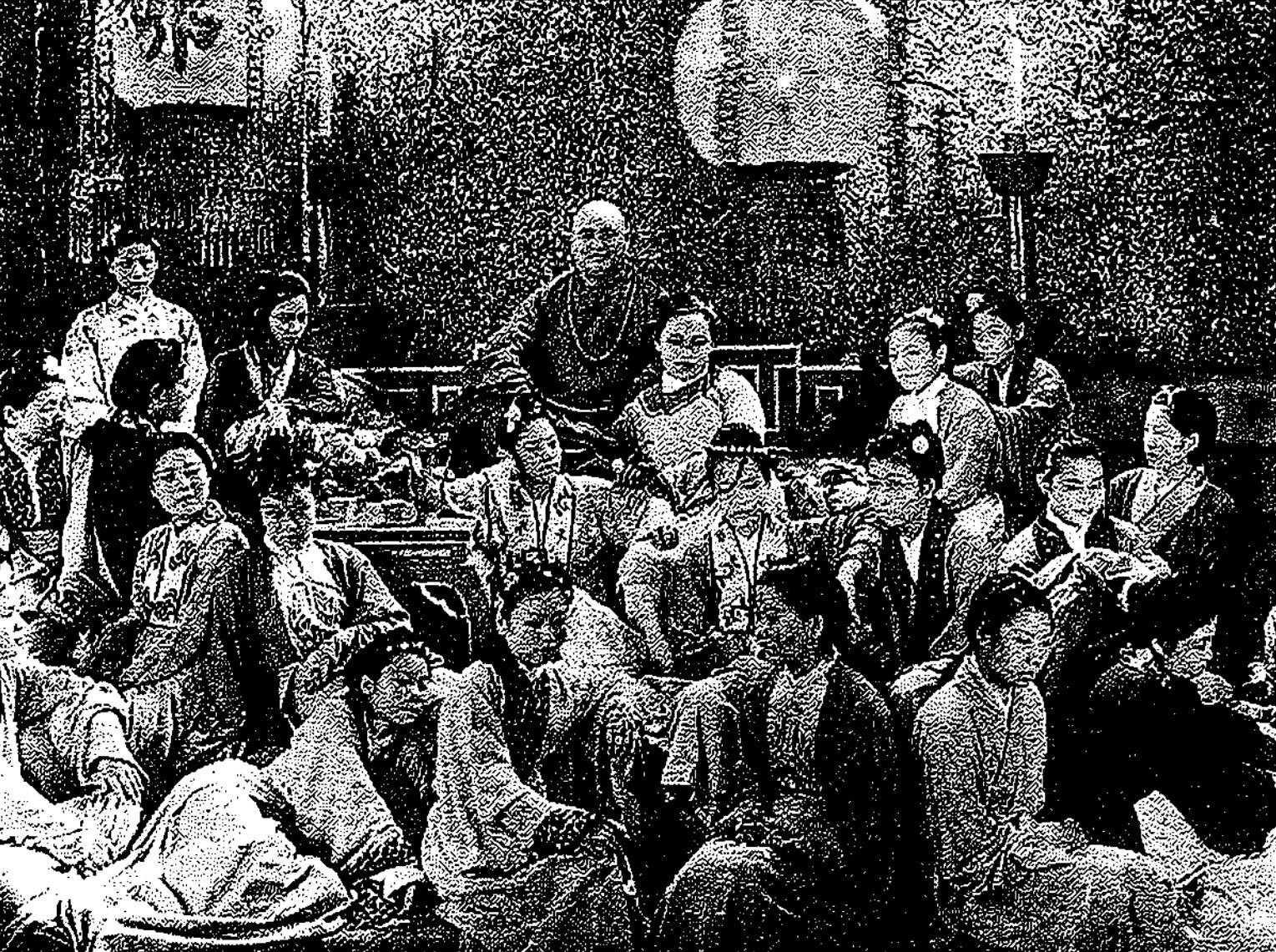
A scene from The Burning of the Red Lotus Temple, 1928
The Burning of the Red Lotus Temple, 1928
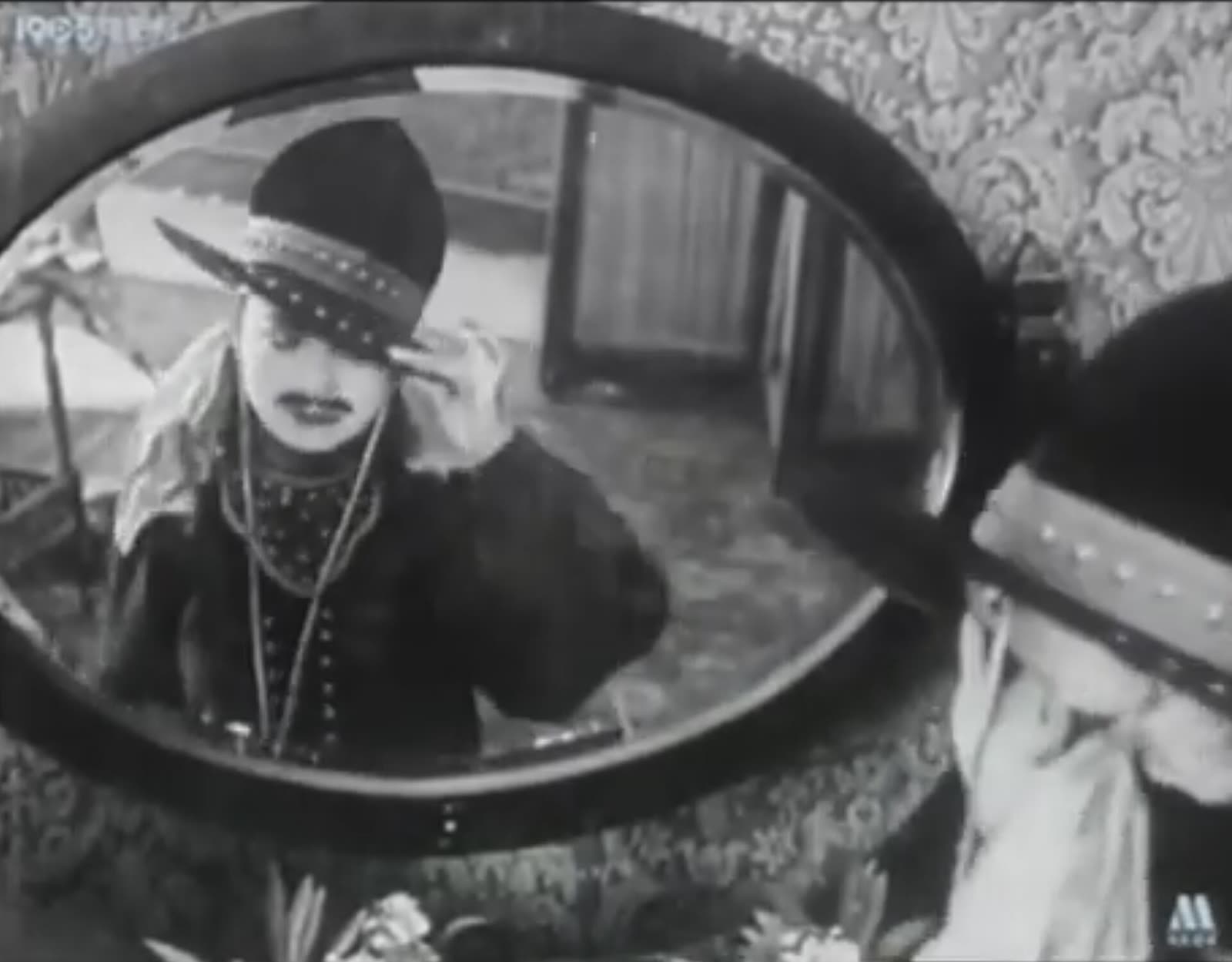
Wu Suxin disguised as a man in The Valiant Girl White Rose, 1929
The Valiant Girl White Rose, 1929

It wasn’t all bob cuts and body-hugging dresses that showed off your hips, though. If you were a woman who’d just finished a long shift in one of Shanghai’s many factories, there’s a good chance you’d have enjoyed watching women wielding swords and having a pop at landlords and evil barons – like Hu Die soaring through the air as Red Girl in The Burning of the Red Lotus Temple (1928), or Wu Suxin 吴素馨 in The Valiant Girl White Rose (1929), disguising herself as her own brother to hunt down the bandits threatening her dad.

There was no shortage of bad girls.

But by the 1930s, the ‘bad girl’ vibe had started to die out. Although audiences still wanted their female stars saucy, they expected them to be morally pure in their private lives. This is why the press had been so hard on Lingyu. When you have to fund a boyfriend’s gambling habit, get fed up with it, and so cut him off, it obviously stands to reason that you’re a bad girl.

Act III.

Alternative endings

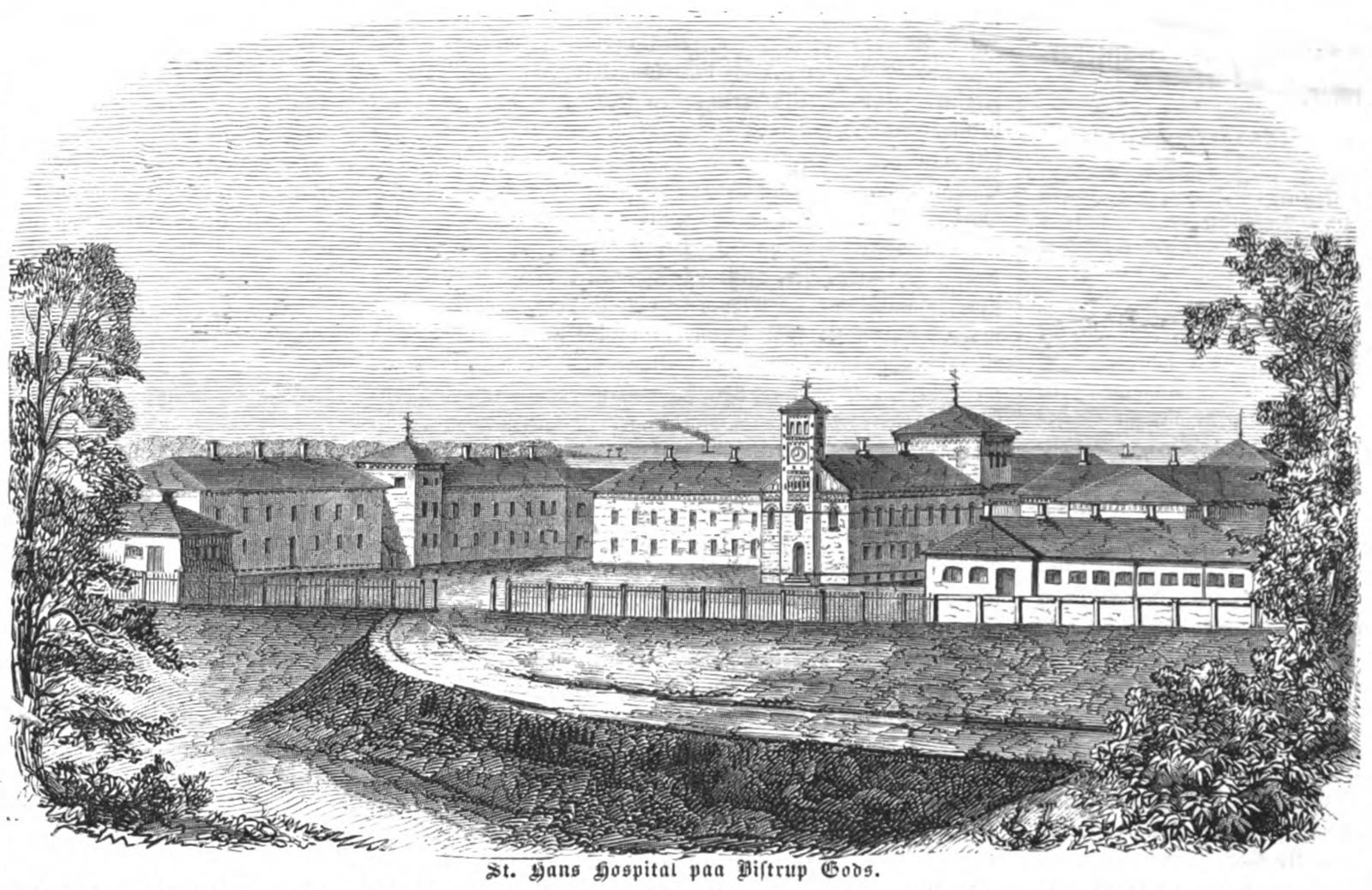
Nineteenth-century engraving of Sankt Hans Hospital, from Illustreret Tidende, 1859
Portrait of Laura Kieler
Laura Kieler

We need to leave Shanghai for a bit and go to Sankt Hans Hospital just outside Copenhagen. Being a hospital, and specifically a mental asylum and it being 1878, it’s not a place you’d want to be. In a chair sits Laura. Her husband put her there because she took out an illegal loan to pay for TB treatment he couldn’t afford himself. Her children aren’t allowed to visit her in the asylum and her husband wouldn’t want that anyway. As with a lot of terrible things that happen to women in history, I probably wouldn’t be writing about it if it wasn’t for the fact that a man she knew, a fellow Norwegian, Henrik Ibsen, used her story as the basis for his hit play A Doll’s House.

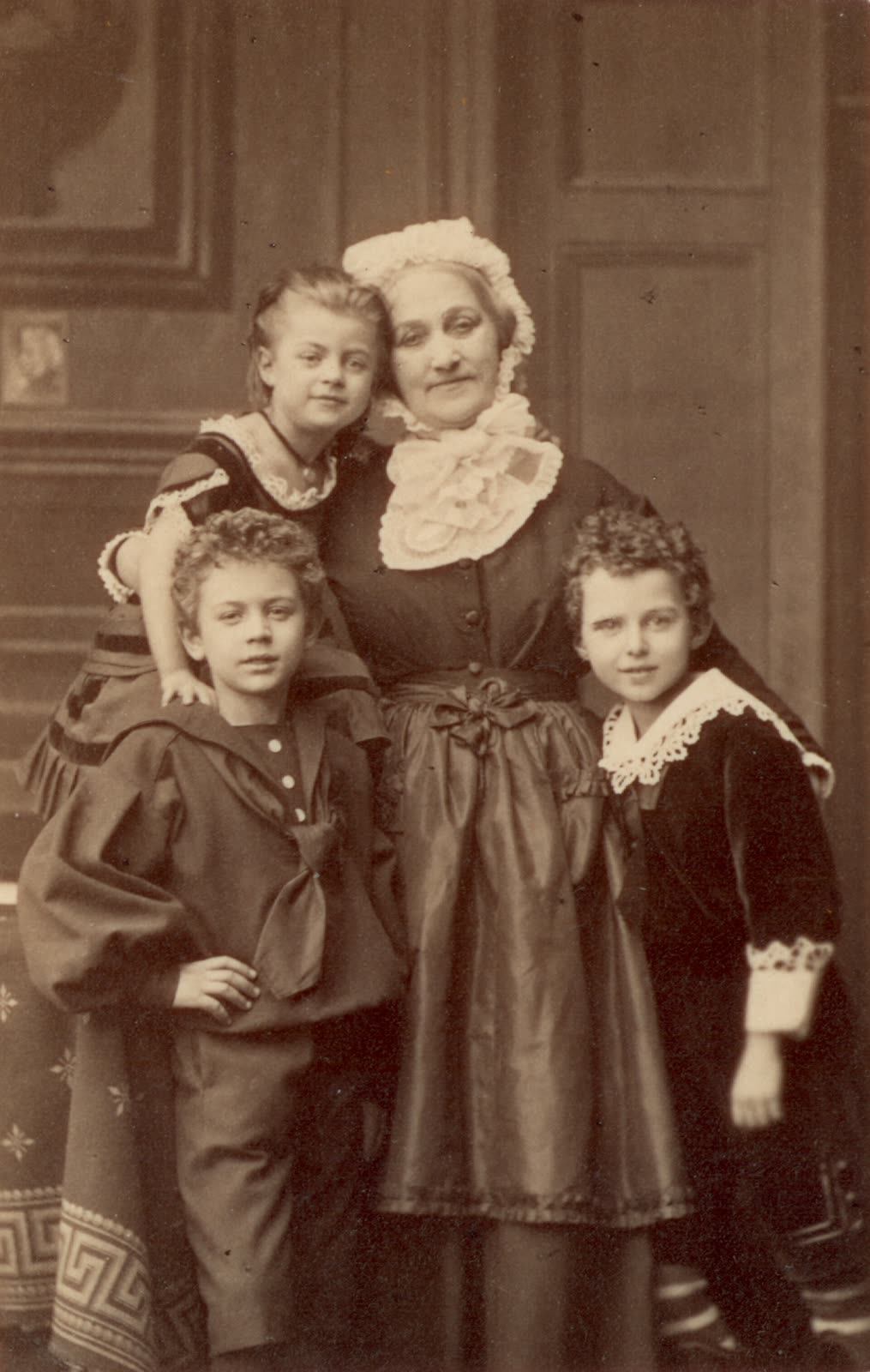
Louise Phister as Anne Marie, the nurse, with the children in A Doll’s House, Copenhagen, 1879/80
Louise Phister as the nurse, 1879/80
Lan Ping (Jiang Qing) in character as Nora
Lan Ping as Nora, 1930s

It’s got a very bad girl vibe as it’s about a woman who runs away from her husband and children. Interestingly, when it premiered in Germany, they didn’t like the bad girl plotline, so Ibsen had to give them an alternative ending where she went back. Ibsen called this German ending a ‘barbaric act of violence’ and the Chinese thespians, when they discovered the play, would’ve probably agreed. Laura died in Ålsgårde in 1932. Three years later, Lan Ping made her debut in Shanghai’s Jincheng Grand Theatre, playing Laura’s character, Nora. The reviews were glowing: Lan Ping was a triumph. Objectively speaking, she could’ve been very good. But the problem is we won’t really know because her future husband Tang Na (a famous film critic) had the hots for her and also very much had his fingers on the scales of what was ‘In’ and what was ‘Out’ amongst Shanghai’s literati.

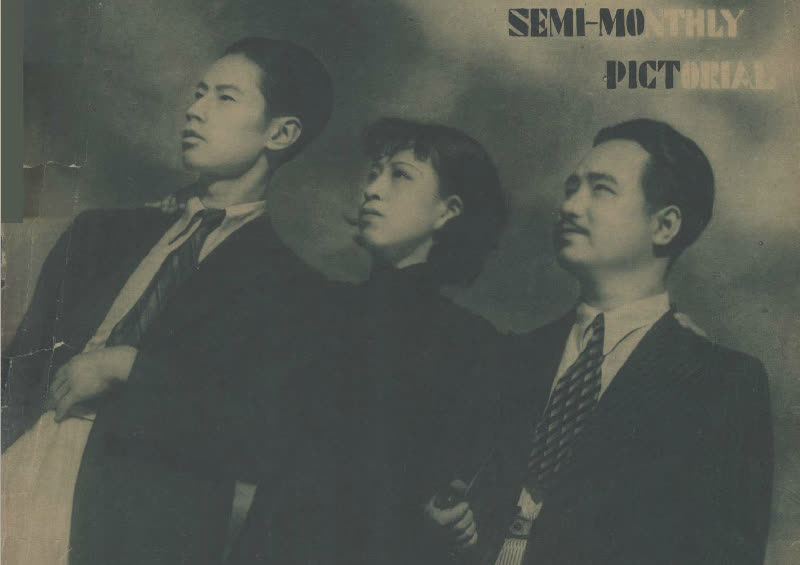
Supporting-cast spread from Diantong magazine, 1935, including Lan Ping
Diantong, 1935
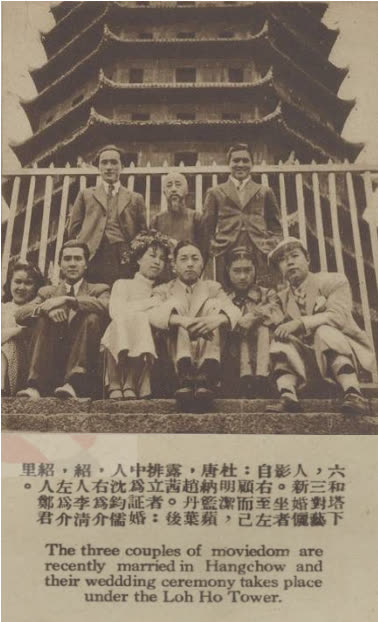
Collective wedding photograph of Lan Ping and Tang Na at Liuhe Pagoda, Hangzhou, 26 April 1936
Hangzhou, 26 April 1936

Lan Ping very much wanted to be one of those A-listers, the next Lingyu, but probably for reasons of not having enough of the Bad Girl aesthetic, bar one film, she was always being cast in supporting roles. That might not have been a problem, but when she had a big row with her now-husband Tang Na and he tried to top himself by jumping into the Huangpu River, she was evidently to blame. The tabloids protect their own, especially if they are men. However, unlike Lingyu, Lan Ping tried to fight back with an essay of her own. This just resulted in more piss-taking. So in 1937, blacklisted from the studios, blanked by her former friends, she slunk off, leaving Shanghai and looping in with her Communist friends. She changed her name too: Jiang Qing.

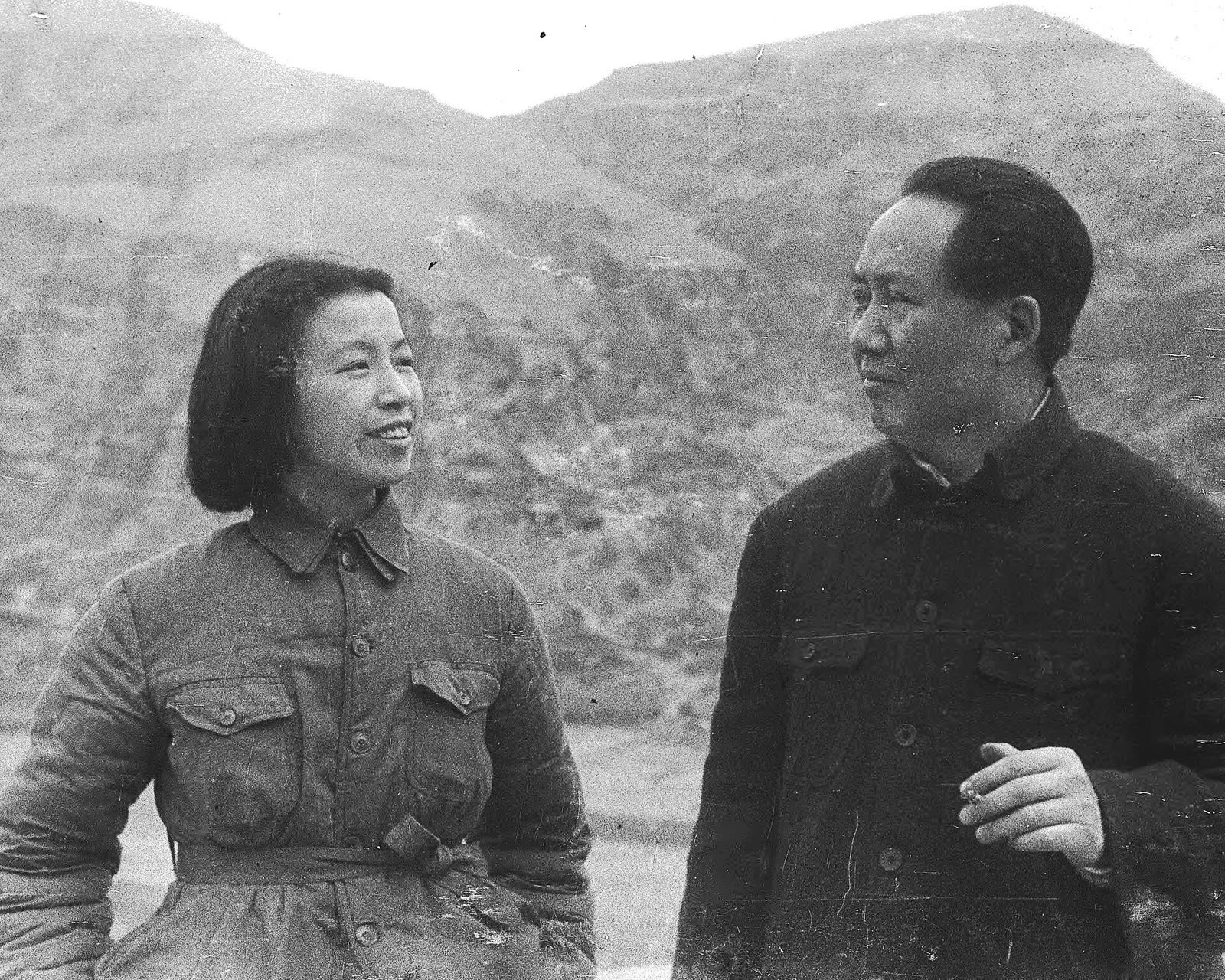
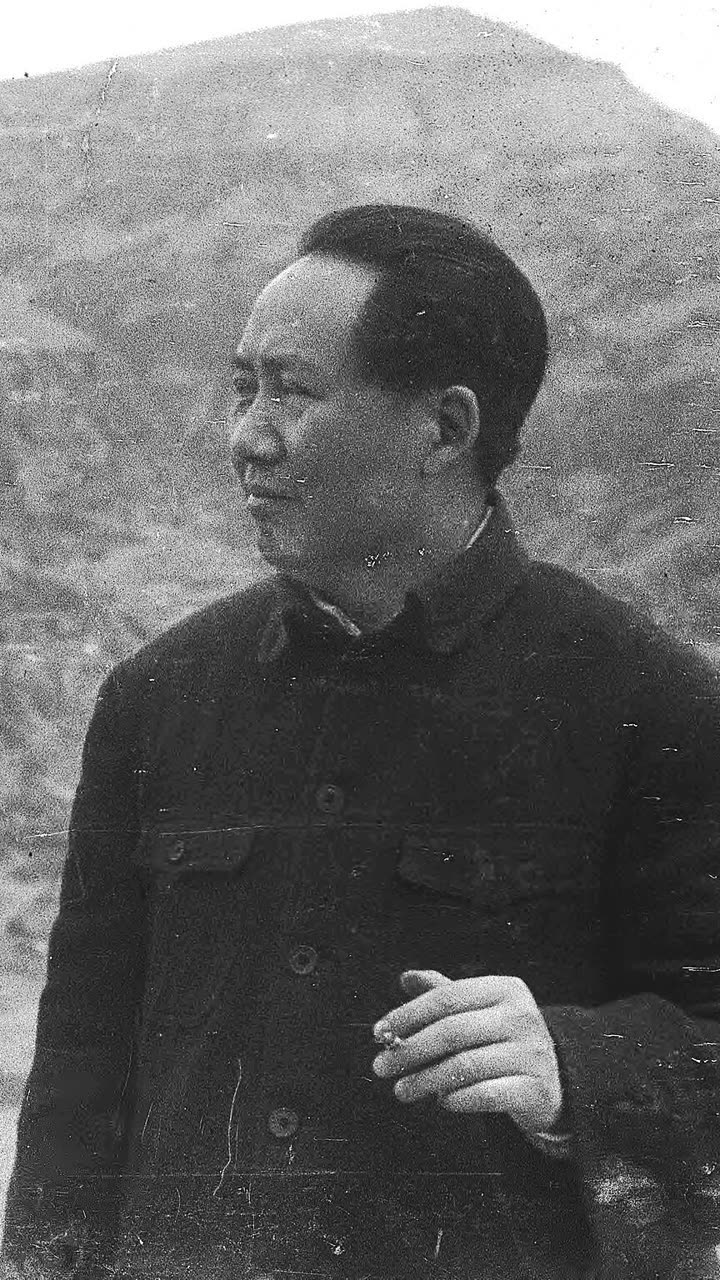
Mao Zedong and Jiang Qing in Yan’an, 1944

There’s a saying in Chinese: when a nobleman takes revenge, ten years is not too late. She did get her revenge on the film industry, but it took her nearly thirty years to finally strike a blow. She succeeded in erasing the people who tried to take her down those many years before. It would be nice to think she was able to do it completely under her own steam, but as is the case in the People’s Republic to this day, it helps if your husband is a high-ranking official.

Act IV.

The White-Boned Demon

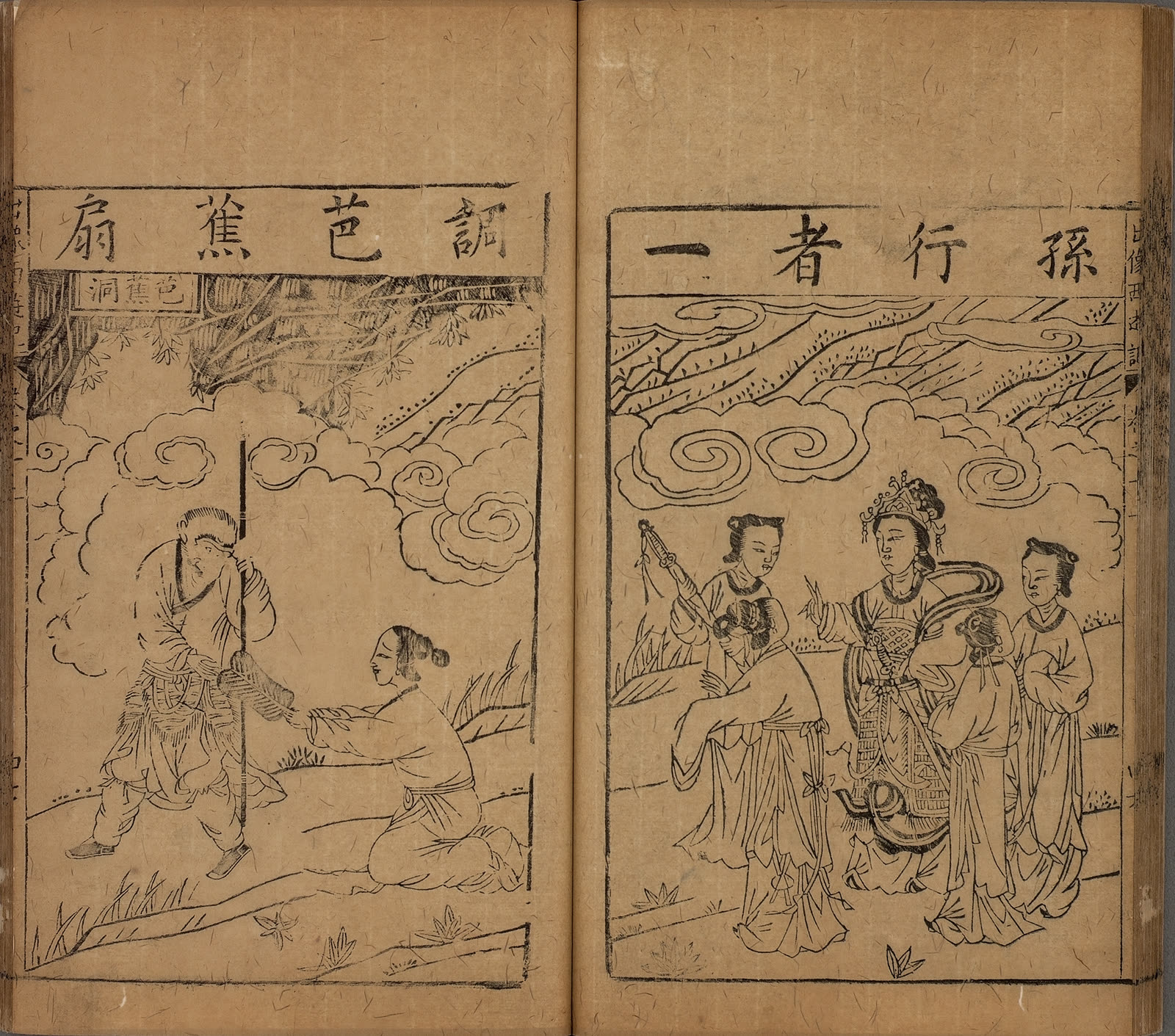
Ming woodblock illustration of Journey to the West, Shidetang Hall of Jinling, 1592

If you end up with flu in China and are having a duvet day, you might decide to curl up on the sofa with a nice hot cup of tea and flick through the TV channels. On the agricultural channel, there might be a repeat of that riveting documentary about artificial pig insemination. The military channel has the Entertainment Corps doing magic tricks and plate-spinning again, and Beijing’s local TV channel is playing Warm New Home, China’s answer to Grand Designs – although in this version, the presenter has hair. There’s quite a lot of variety on Chinese TV, but one thing you’ll invariably see as you flick through the channels is The Monkey King. It’s based on a sixteenth-century Chinese novel about a divinely gifted monkey and a monk who travel to India to get hold of some Buddhist books. It’s The Lord of the Rings meets Alice in Wonderland meets The Wizard of Oz. It’s hugely popular. One thing it doesn’t have in it, though, is many women.

When women do show up, they’re either victims, passive wives, divine saviours or terrifying demons. One of them, the White-Boned Demon, absolutely wants to be immortal, but all she can do is shape-shift between being a young woman, an old woman and an old man. So maybe she’s not a woman at all.

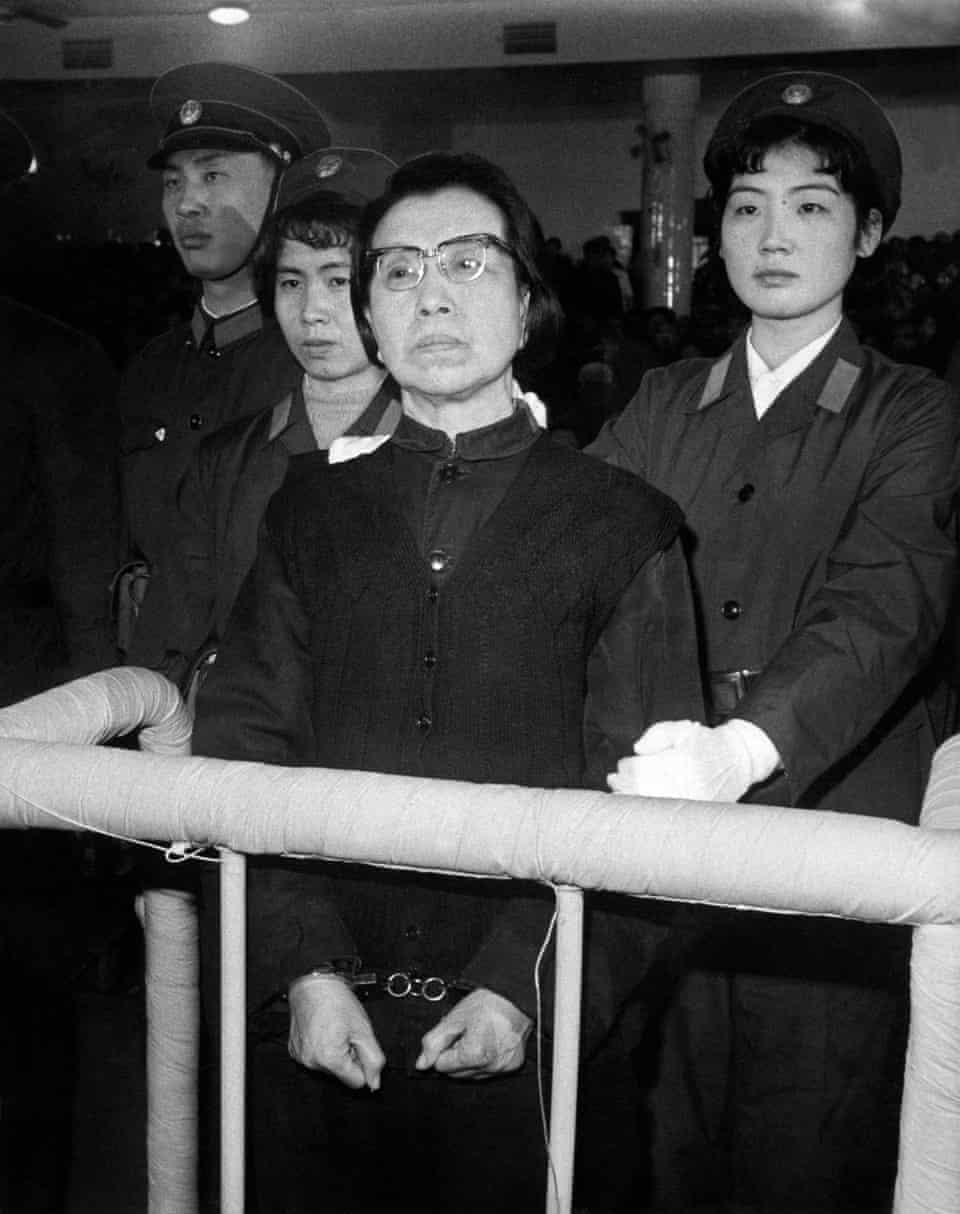
Jiang Qing handcuffed at the rail during the 1980 trial
Jiang Qing handcuffed at the rail, 1980

This is probably why it stings a bit to be called a White-Boned Demon, even if you are being indicted for subverting the government. It’s also probably a little bit embarrassing when the widow of someone you had arrested and murdered screams at you to shut up as you stand in the dock. It’s also probably very annoying that as you try and read out your prepared statement, the guy accusing you of all these things keeps interrupting to ask questions. They did ask you if you wanted lawyers, but you told them where to get off because you don’t accept the indictment, so what would you need lawyers for?

From your standpoint it’s a whole load of nothing that started over a disagreement about a theatre review.

A lot of people in show biz, they never look at the reviews because what good is there in looking at stuff written by people whose sole job is to pick you apart?

In November 1965, Jiang Qing, having slipped back to Shanghai earlier that year, worked with two of her party colleagues to publish a rather catty theatre review. This was the opening shot of the Cultural Revolution, a decade-long period of political and cultural persecution at every level of Chinese society. There are of course some big names on the victim list, but the vast majority of victims were ordinary people: teachers, minor officials, low-level factory managers. And the weapon most often used against them was rumour and gossip. Lan Ping had been taken down by commercial tabloid journalism; Jiang Qing was using the power of the state to engage in tabloid politics.

Official government policy was that Jiang Qing and company were going after Mao’s political enemies. However, she also found time to catch up with the old Shanghai film and theatre crowd who’d laughed at her, blacklisted her, or knew too much about her days as Lan Ping. Homes were raided, people were locked up, others were murdered. Mao handed her total control of Chinese arts and culture; she shut down the studios and binned almost every existing film, play and book for being ‘feudal’ or ‘bourgeois’. With the old industry flattened, and with nobody left daft enough to write a bad review, she replaced the whole lot with her own tightly policed revolutionary ‘model works’.

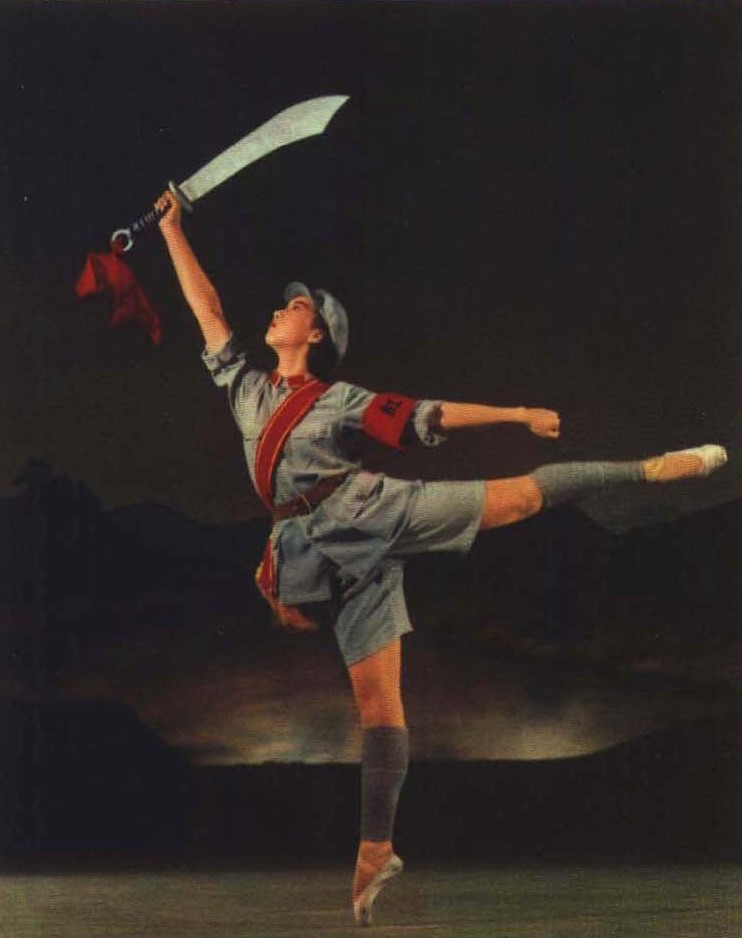
Still from The Red Detachment of Women, published in People’s Pictorial, 1965

Lan Ping ended up with her own canon of eight revolutionary ‘model works’, filmed and played on loop across the country. It’s difficult to know if they would’ve been popular in a more competitive market because, being married to Mr Mao, her films didn’t need appraisal, and there wasn’t a whole load of competition. It’s ironic that her most-watched appearance, however, happened to be her trial. On 25 January 1981 she was sentenced to death. Then, exactly two years later, her sentence was commuted to life. Eight years later, in early 1991, she was admitted to hospital. She wasn’t in the best of health because of throat cancer. In May, alone in the bathroom of her private suite, she took her chance. She hanged herself over the bath.

Lan Ping as a young woman, in the Nora portrait
Young woman · Lan Ping
Jiang Qing handcuffed at the rail, 1980 trial
Old woman · Jiang Qing
Mao Zedong, cropped from the 1944 Yan’an photograph
Old man · Mao

When she had signed into the hospital, she didn’t use the name she used as a young woman, her stage name (Lan Ping); nor did she use her old woman’s name, her revolutionary name, Jiang Qing. Instead she blended her name with an old man’s name, that of her late husband, to make Li Runqing.

It was only when she was buried in 2002 that she reverted to her childhood name, Li Yunhe. But no one ever knew her as that. Ever since her husband had died, she’d been known as the White-Boned Demon.

Act V.

Why I never trust the culture section in newspapers

Memorial portrait of Ruan Lingyu, 1935
Ruan Lingyu, 1935
Jiang Qing handcuffed at the rail, 1980 trial
Jiang Qing at the rail, 1980

We’ve looked at the lives of two Bad Girls. Both Ruan Lingyu and Lan Ping were fed into the mincer of 1930s Shanghai and both women made very different decisions. Lingyu stayed until it completely and fatally broke her. For Lingyu, life tragically imitated art. Lan Ping slammed Nora’s door and walked out of the studios. Lan Ping realized that if the male-dominated literati were going to ruin her life, she would need a bigger stick: the state. But neither won in the end. Lingyu died at twenty-four because she was famous and powerless; Jiang Qing died at seventy-seven after a long political career holding supreme cultural power over a country of hundreds of millions. When Lan Ping finally took over cinema, theatre, literature and music, she didn’t free women on screen. Instead she shut down the industry, erased her rivals, and bequeathed to China a handful of state-approved ‘model works’ that very few people actually enjoyed watching.

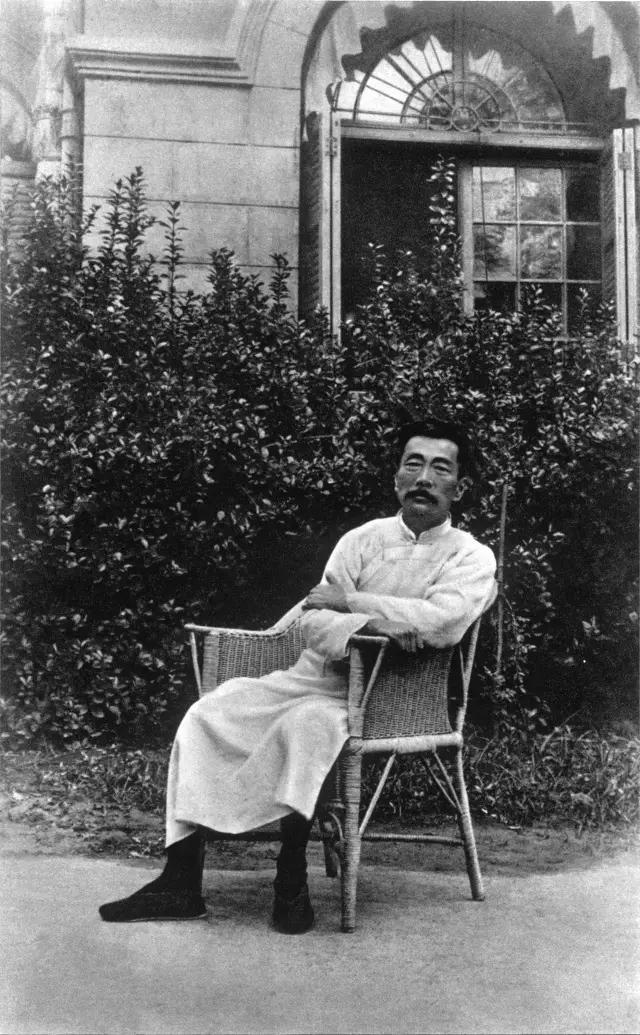
Lu Xun photographed in Shanghai by Agnes Smedley, 17 September 1930
颇有名,却无力 famous but powerless

In May 1935, Lu Xun wrote On ‘Gossip Is a Fearful Thing’, skewering Shanghai’s journalists for being spineless before real power and ferocious against a woman who was ‘famous but powerless’. Lan Ping effectively took his moral critique and turned it into a manifesto. If gossip only kills the powerless, then power gained through being close to powerful men meant she controlled the gossip and could weaponize art to destroy lives. However, by taking the mincing machine away from a free, and sometimes lawless, press, and conferring it on the state, she was putting her own noose around her neck.

The moment Mao died, her political power went with him. The state machine she had helped build was now primed to turn on her. The Shanghai tabloids were amateur hour compared to the state broadcasting the ‘White-Boned Demon’ into every living room in China. And in 1930s Shanghai, at least someone like Lu Xun was still allowed to publish an essay calling the press out for it; once the politicians took over, there were no more Lu Xuns either. And there still aren’t.

Nanjing Road, Shanghai, about the 1930s

1930s Shanghai show business was grubby, predatory and cruel. But there was one sliver of light. Despite the chaos and the sexism, women still had space to manoeuvre. They could take risks, play with identity and earn their own social and economic freedom if they could survive the gossip. But as soon as the state moved into the director’s chair, those few ounces of agency vanished. Commercial capitalism was the least worst option. That’s why, personally, I would always take a tabloid gossip column over an ideologically heavy culture column: politics should stay out of show business.

Ruan Lingyu at the writing desk in Love and Duty (1931)

Both women’s lives ended violently. In 1991, Jiang Qing hangs herself fifteen minutes from the Forbidden City, and today nobody having a duvet day in China is flicking through the channels hoping to catch one of her revolutionary operas. Two years later, in 1993, someone opens Mr Li’s crates from Montevideo and pulls out Love and Duty. Ruan Lingyu, still flickering on fragile nitrate, outlasted the tabloids, the censors, and the revolution.

Bibliography

Primary Sources

  • Ibsen, Henrik. The Oxford Ibsen. Vol. 5, Pillars of Society; A Doll’s House; Ghosts. Edited and translated by James Walter McFarlane. London: Oxford University Press, 1961.
  • 《良友》 Liangyou (The Young Companion), no. 1. Shanghai, 15 February 1926.
  • 鲁迅 Lu Xun [赵令仪 Zhao Lingyi, pseud.]. 《论“人言可畏”》 “Lun ‘renyan kewei’” (On “Gossip Is a Fearful Thing”). 《太白》 Taibai, 20 May 1935. Reprinted in 《且介亭杂文二集》 Qiejieting zawen erji. Wikisource.
  • Wu Cheng’en 吴承恩. The Journey to the West. Translated and edited by Anthony C. Yu. Rev. ed. 4 vols. Chicago: University of Chicago Press, 2012.
  • 姚文元 Yao Wenyuan. 《评新编历史剧〈海瑞罢官〉》 “Ping xinbian lishiju ‘Hai Rui baguan’” (On the New Historical Play Hai Rui Dismissed from Office). 《文汇报》 Wenhui Bao, 10 November 1965.

English-Language Secondary Sources

  • Boorman, Howard L., ed. Biographical Dictionary of Republican China. Vol. 2. New York: Columbia University Press, 1968.
  • Chang, Michael G. “The Good, the Bad, and the Beautiful: Movie Actresses and Public Discourse in Shanghai, 1920s–1930s.” In Cinema and Urban Culture in Shanghai, 1922–1943, edited by Yingjin Zhang. Stanford: Stanford University Press, 1999.
  • Clark, Paul. The Chinese Cultural Revolution: A History. Cambridge: Cambridge University Press, 2008.
  • A Great Trial in Chinese History: The Trial of the Lin Biao and Jiang Qing Counter-Revolutionary Cliques, Nov. 1980–Jan. 1981. Preface by Fei Hsiao Tung. Beijing: New World Press; Oxford: Pergamon Press, 1981.
  • Harris, Kristine. “Circuits of Mobility in Love and Duty.” Journal of Chinese Cinemas 18, no. 1 (2024): 133–64. https://doi.org/10.1080/17508061.2024.2335119.
  • ———. “The New Woman Incident: Cinema, Scandal, and Spectacle in 1935 Shanghai.” In Transnational Chinese Cinemas: Identity, Nationhood, Gender, edited by Sheldon Hsiao-peng Lu. Honolulu: University of Hawai‘i Press, 1997. https://doi.org/10.1515/9780824865290-014.
  • “How Did ‘Love and Duty’ Come to Uruguay?” Shanghailander (blog), May 2026. https://shanghailander.net/2026/05/how-did-love-and-dutycome-to-uruguay/.
  • Lee, Lily Xiao Hong, ed. Biographical Dictionary of Chinese Women. Vol. 2, The Twentieth Century, 1912–2000. London: Routledge, 2016.
  • MacFarquhar, Roderick, and Michael Schoenhals. Mao’s Last Revolution. Cambridge, MA: Belknap Press of Harvard University Press, 2006.
  • Meyer, Richard J. Ruan Ling-yu: The Goddess of Shanghai. Hong Kong: Hong Kong University Press, 2005.
  • Pang, Laikwan. Building a New China in Cinema: The Chinese Left-Wing Cinema Movement, 1932–1937. Lanham, MD: Rowman & Littlefield, 2002.
  • Rea, Christopher. Chinese Film Classics, 1922–1949. New York: Columbia University Press, 2021.
  • ———. “Love and Duty 戀愛與義務 (1931).” Chinese Film Classics. Accessed 24 November 2026. https://chinesefilmclassics.org/love-and-duty-1931/.
  • Templeton, Joan. Ibsen’s Women. Cambridge: Cambridge University Press, 1997.
  • Terrill, Ross. Madame Mao: The White-Boned Demon. Rev. ed. Stanford: Stanford University Press, 1999.
  • Wakeman, Frederic, Jr. Policing Shanghai, 1927–1937. Berkeley: University of California Press, 1995.
  • Zhang, Yingjin. Chinese National Cinema. London: Routledge, 2004.
  • Zhang, Yingjin, and Zhiwei Xiao. Encyclopedia of Chinese Film. London: Routledge, 1998.
  • Zhang Zhen. An Amorous History of the Silver Screen: Shanghai Cinema, 1896–1937. Chicago: University of Chicago Press, 2005.

Chinese-Language Secondary Sources

Women in 1930s Shanghai cinema: the film catalogue

Picture and clip credits

Stills are from Wikimedia Commons unless noted. Two photographs are used under Creative Commons ShareAlike licences; their monochrome or cropped presentation on this page is an adaptation and should be shared alike:

EB Garamond, Space Grotesk and Noto Sans TC are self-hosted under the SIL Open Font License 1.1. No new footage was cut for this page.